
Introduction
In recent years, natural skincare has become increasingly popular as more people look for gentle and effective ways to care for their skin. One ingredient that has attracted significant attention is propolis, a natural substance produced by bees.
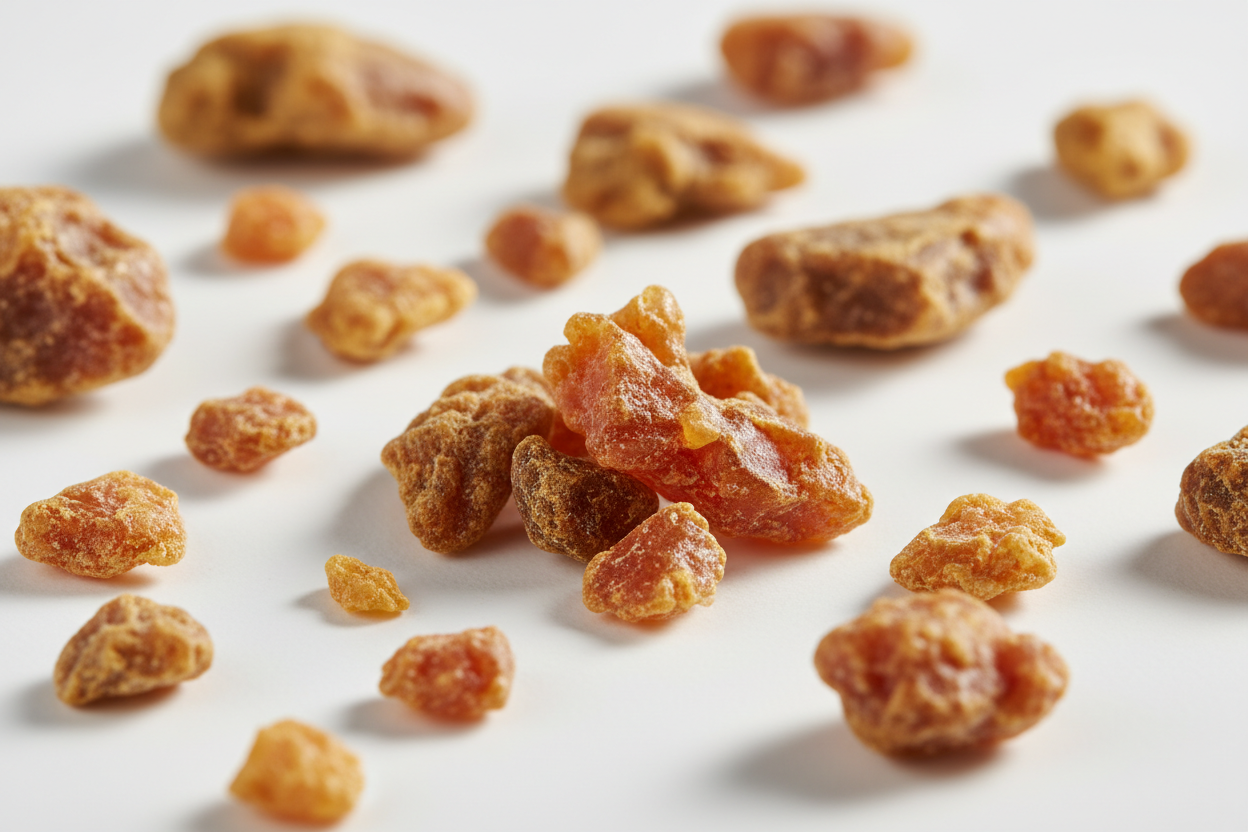
Often called “bee glue,” propolis plays an essential role in protecting the beehive. Bees collect resin from plants and combine it with wax and enzymes to create this powerful substance. Inside the hive, propolis acts as a protective barrier against environmental threats.
Because of its unique composition, propolis has also become a valuable ingredient in natural skincare products.
What Is Propolis?
Propolis is a resin-like substance created by bees using materials collected from tree buds and plant sources. Bees use it to seal small openings in the hive and maintain a clean and stable environment.
The composition of propolis includes plant compounds, natural waxes, and antioxidants. These components contribute to its popularity in skincare formulations.
Today, propolis is commonly found in:
Benefits of Propolis for Skin
1. Supports the Skin Barrier
The skin barrier is essential for maintaining hydration and protecting the skin from environmental stress. Propolis is often used in skincare products that aim to support this natural barrier.
A healthy skin barrier helps maintain moisture and prevents dryness.
2. Rich in Natural Antioxidants
Propolis contains antioxidants that help protect the skin from external stressors such as pollution and environmental exposure.
Antioxidants play an important role in maintaining a healthy-looking complexion.
3. Nourishing and Hydrating
Many skincare products combine propolis with ingredients like honey and botanical oils to create nourishing formulations that help maintain skin hydration.
4. Gentle for Sensitive Skin
Natural skincare enthusiasts often prefer ingredients like propolis because they are generally well tolerated by sensitive skin.
This makes propolis popular in products designed for dry or reactive skin.
How Propolis Is Used in Skincare
Propolis can be incorporated into many different skincare products, including:
Propolis creams – for daily hydration
Skin balms – for targeted skin care
Serums – concentrated skincare treatments
Moisturisers – for maintaining hydration
These products often combine propolis with honey, beeswax, and botanical oils.
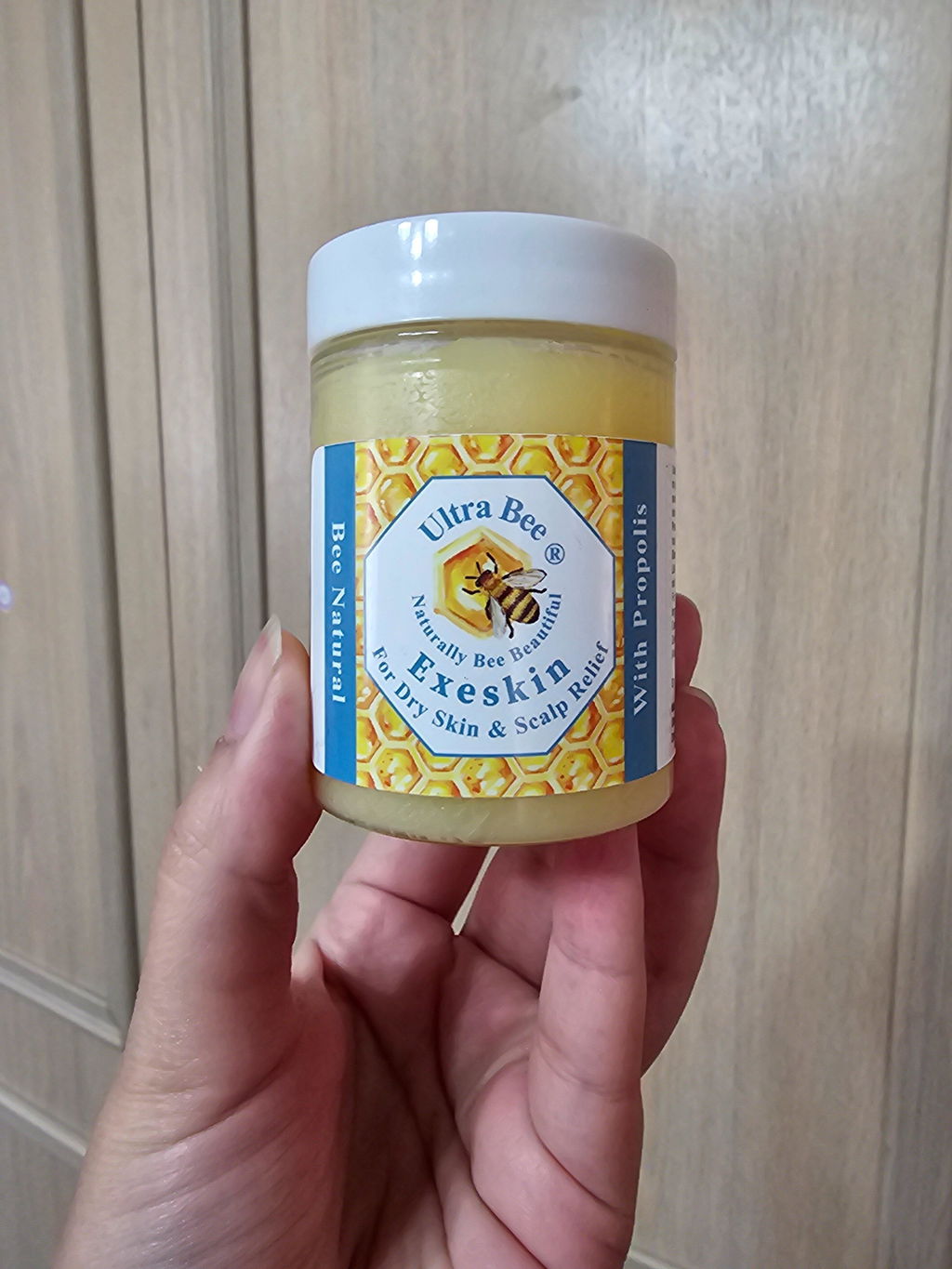
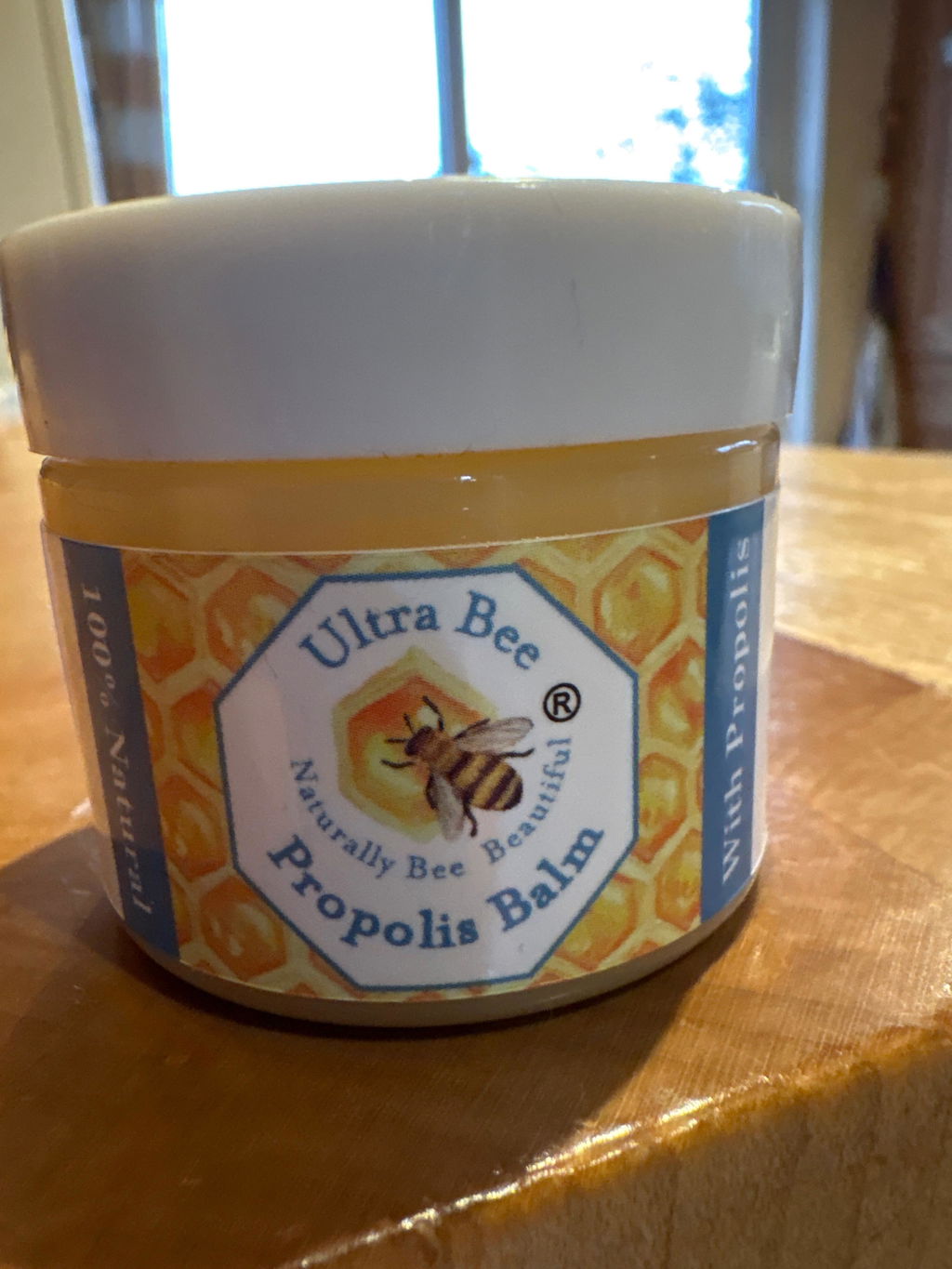
Discover our Propolis Skin Balm
Propolis and Other Bee-Derived Ingredients
Propolis works particularly well alongside other bee ingredients.
Honey
Honey is known for its natural hydration properties and ability to retain moisture.
Beeswax
Beeswax helps form a protective layer on the skin that locks in hydration.
Together, these ingredients create nourishing skincare products inspired by the natural ecosystem of the hive.
Why Propolis Is Popular in Natural Skincare
Consumers are increasingly interested in skincare products that contain natural ingredients. Propolis fits perfectly within this movement because it combines traditional use with modern skincare formulations.
Natural skincare brands often focus on:
-
Ingredient transparency
-
Simple formulations
-
Gentle skincare solutions
Propolis-based products align well with these values.
Choosing Propolis Skincare Products
When selecting skincare products containing propolis, consider the following:
-
Look for products with natural ingredient lists
-
Choose formulations suitable for your skin type
-
Select products made by trusted brands that focus on natural skincare
Conclusion
Propolis is one of nature’s most fascinating ingredients. Produced by bees to protect the hive, it has also become a valuable ingredient in modern skincare.
From supporting the skin barrier to providing natural antioxidants, propolis continues to attract attention from both skincare brands and consumers.
As interest in natural skincare grows, propolis will likely remain a key ingredient in products designed to nourish and protect the skin.










Dejar un comentario
Este sitio está protegido por hCaptcha y se aplican la Política de privacidad de hCaptcha y los Términos del servicio.